
MagicBody Trains 6,438 Rehabilitation Pilates Instructors Over 14 Years
South Korea-based MagicBody marks 14 years since launching its rehabilitation Pilates instructor course; graduates have opened 268 certified studios
SEOUL, SOUTH KOREA, June 19, 2026 /EINPresswire.com/ -- MagicBody, a Pilates instructor training organization operated by International Rehabilitation Pilates Association Co., Ltd., said it has trained 6,438 rehabilitation Pilates instructors since launching its course in 2012.
MagicBody teaches anatomy-based rehabilitation exercise principles through a structured curriculum. It redesigned conventional Pilates movements around these principles and established its rehabilitation-focused course in 2012, and has developed instructors primarily through its 11-week, 55-hour regular course.
MagicBody says its rehabilitation Pilates curriculum combines exercise science, functional anatomy and rehabilitation theory. It says it drew on the work of Stuart McGill, known for his research on spinal stability, and Craig Liebenson, known for his work in rehabilitation and movement science, to sequence exercises and set difficulty levels.
The 6,438 figure counts graduates who completed MagicBody's training, and over 14 years many have used the qualification to open studios under their own names. Graduates have opened 268 MagicBody-certified studios across South Korea and abroad.
The instructor employment rate for the regular course is 92% (calculated among students seeking employment; those already working, running studios, or training for rehabilitation purposes are excluded). MagicBody attributes the figure to employment support that continues after certification. Each cohort is assigned a dedicated instructor who stays with students from certification to employment matching. A cohort system that has run from cohort 1 through cohort 344, together with an alumni network of 6,438 graduates, connects new instructors with openings at alumni-run studios.
The curriculum begins with functional anatomy and rehabilitation principles, then moves through posture analysis, 50-minute session sequencing, and teaching practice. In the final week, students take a teaching test before the certificate is issued. MagicBody says the course teaches students to observe movement patterns related to reported discomfort and posture and to design exercise sessions, rather than simply copying movements.
Students come from varied backgrounds, from physical therapists and fitness trainers to dance and ballet majors, career changers in their 40s without a related degree, and students preparing to return to work after a career break. MagicBody says it runs separate supplementary anatomy videos because about half of its students come from a non-related academic background.
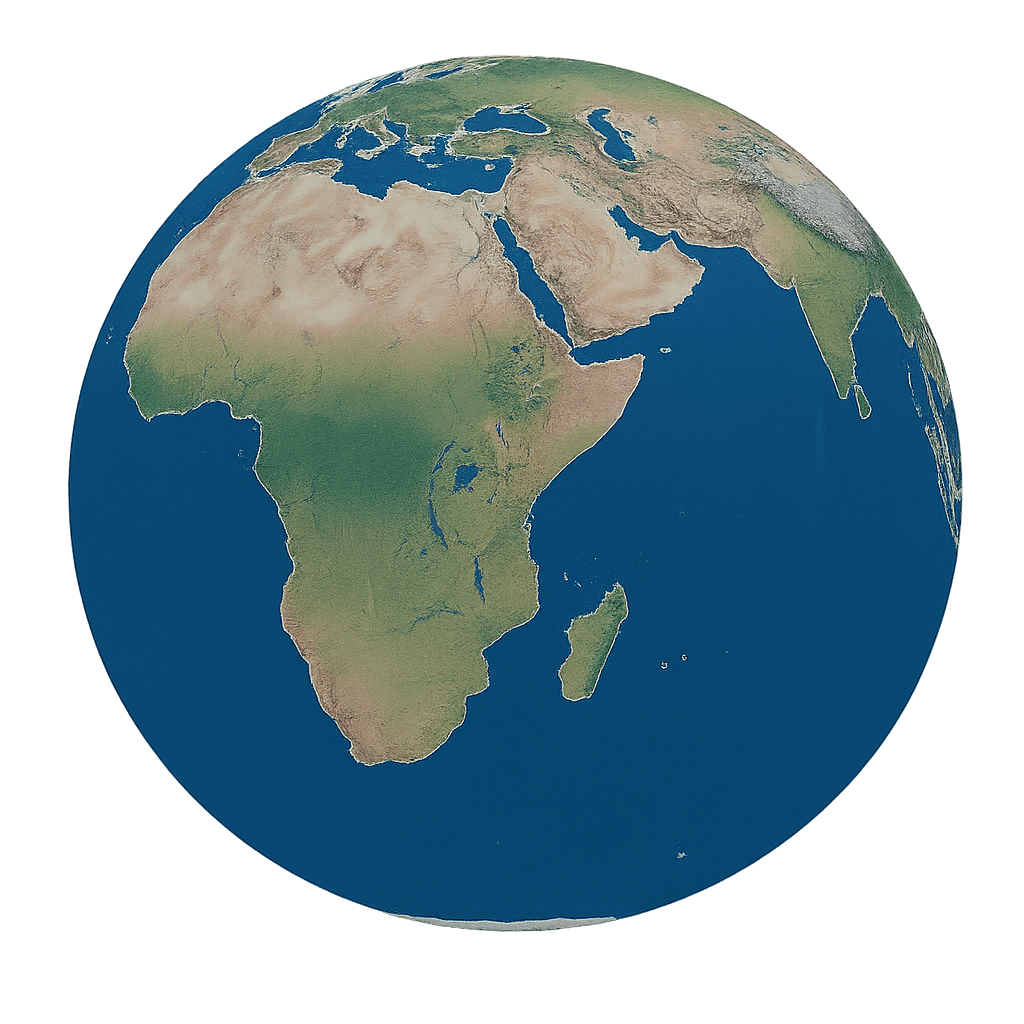
MagicBody's rehabilitation Pilates training has also expanded beyond South Korea. Unlike the common pattern of bringing an overseas brand into Korea, MagicBody has exported a curriculum it developed in Korea over 14 years. Because the training is built around anatomy and rehabilitation principles, the same principles can be taught across languages and regions, the company says. MagicBody has also offered an overseas course in Brisbane, Australia. Graduates certified by MagicBody now teach in 36 countries, including through emigration and overseas employment.
The qualification MagicBody offers, "Pilates Instructor," is registered as a private qualification (registration no. 2017-003943) in Korea's Private Qualification Information Service operated by the Korea Research Institute for Vocational Education and Training (KRIVET). The qualification is managed by the International Rehabilitation Pilates Association.
"Some Pilates training has emphasized copying and memorizing movements," said Jaemin Seo, chief executive of MagicBody. "Working with clients who reported discomfort or movement limitations in the field, I felt that simply copying movements had its limits, so I rebuilt the course around anatomy and rehabilitation principles." He added, "What matters more than the numbers is whether the people who learn it actually apply those principles in the field."
MagicBody said it plans to continue connecting instructor training with graduates' employment and studio openings.
MagicBody is a rehabilitation Pilates instructor training organization operated by International Rehabilitation Pilates Association Co., Ltd. Founded in South Korea in 2012, it has trained 6,438 certified instructors over 14 years and maintains internal training and graduate records. Graduates have opened 268 MagicBody-certified studios across South Korea and abroad, and graduates teach in 36 countries. The instructor employment rate is 92% among students seeking employment (based on MagicBody's internal count), and the regular course runs 11 weeks and 55 hours at 1.95 million won, excluding VAT. MagicBody issues the "Pilates Instructor" private qualification (registration no. 2017-003943, managed by the International Rehabilitation Pilates Association). Jaemin Seo is chief executive of MagicBody. Refund policy, completion criteria, and course schedules are available on the official website (www.magicbodypilates.co.kr).
Hyun-gu Cho
International Rehabilitation Pilates Assoc. (MagicBody)
+82-2-2672-2240
email us here
Legal Disclaimer:
EIN Presswire provides this news content "as is" without warranty of any kind. We do not accept any responsibility or liability for the accuracy, content, images, videos, licenses, completeness, legality, or reliability of the information contained in this article. If you have any complaints or copyright issues related to this article, kindly contact the author above.
